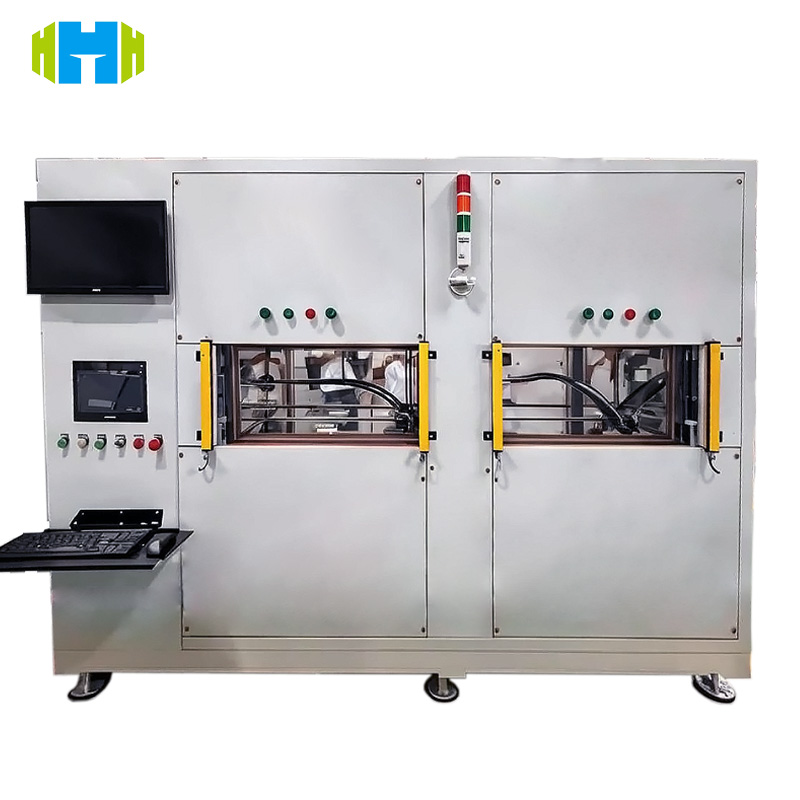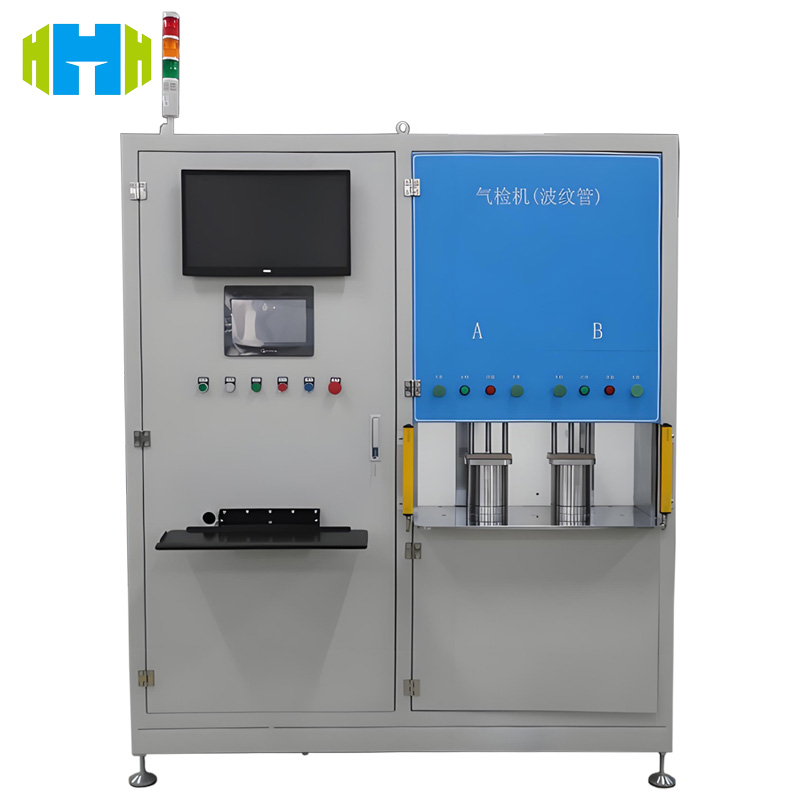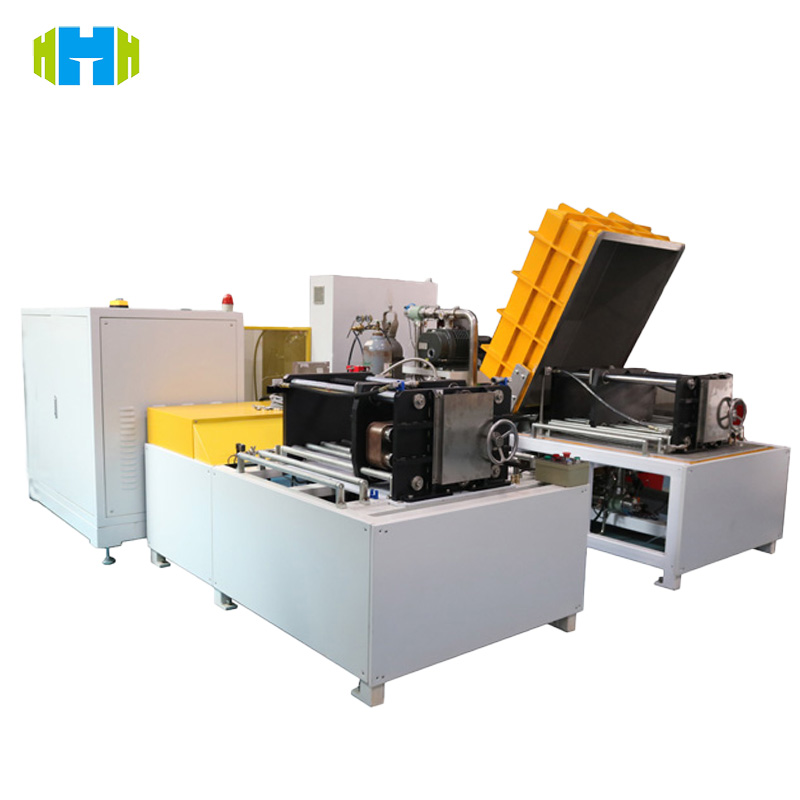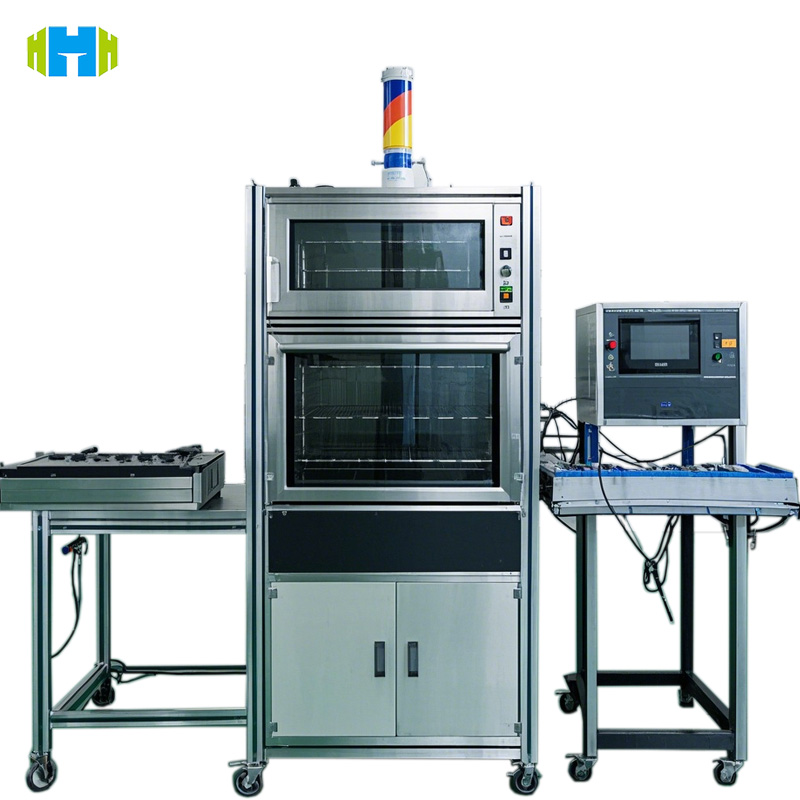
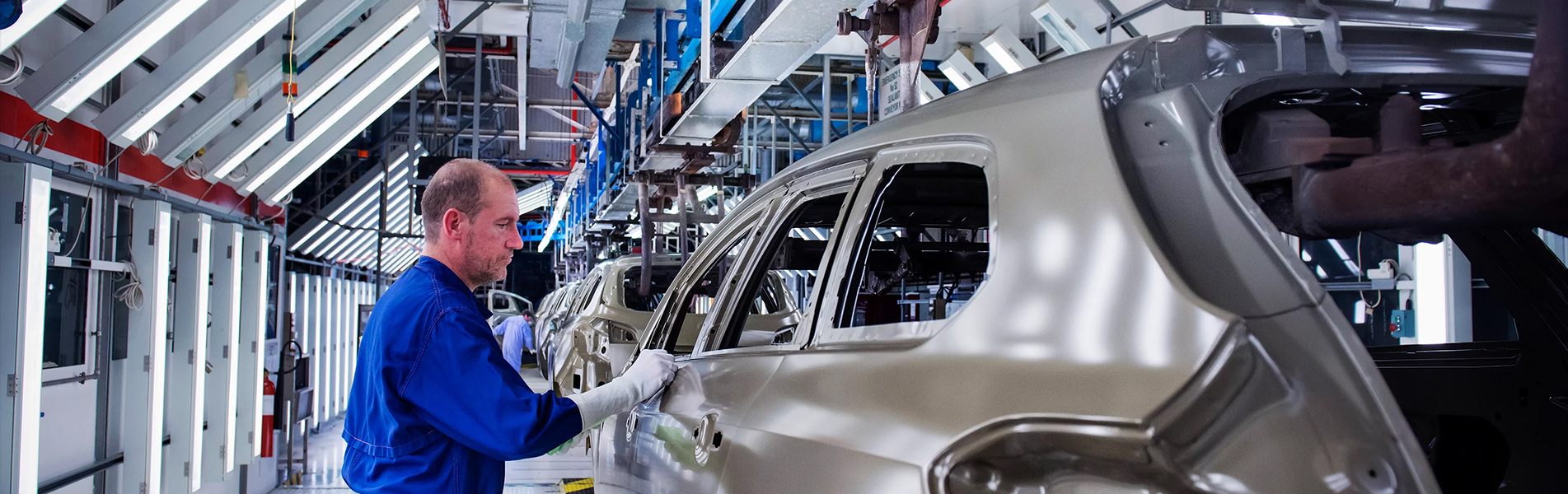
In industries characterized by high-volume mass production—such as refrigeration, automotive components, and structural parts for new energy vehicles—vacuum chamber helium mass spectrometry leak detection has become the standard for final product inspection due to its unmatched precision in detecting micro-leaks. However, the long cycle times of single-station systems have historically created bottlenecks in production line pacing. The complete process—including vacuuming, helium charging, testing, helium purging, and loading/unloading—can easily take 40 to 60 seconds. This leads to material backlogs from upstream processes and idle time at downstream stations. To expand capacity, many factories have resorted to adding more single-station units, resulting in doubled costs, doubled floor space requirements, and increased maintenance complexity.
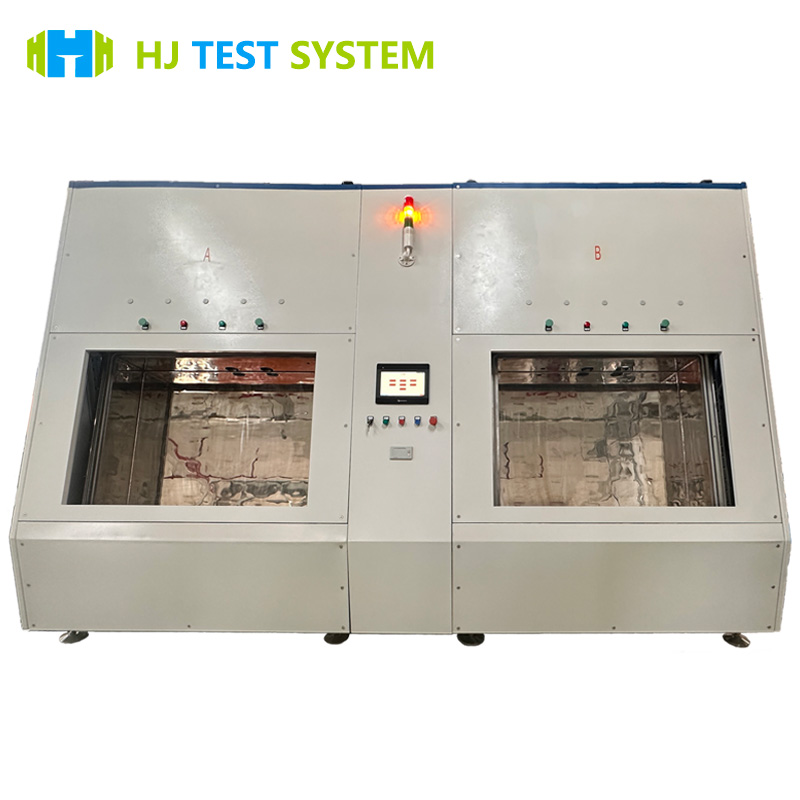
The dual-station (dual-chamber alternating) vacuum chamber helium leak detection system was developed specifically to resolve the conflict between precision and efficiency in mass production. It currently represents the optimal, mature solution for balancing detection accuracy with production throughput.
The essence of a dual-station system lies not merely in "joining two chambers together," but in using a single detection main unit, vacuum system, and helium system to drive the two chambers in a staggered, parallel workflow. This transforms the significant idle time inherent in single-station modes into productive work time.
Ultimately, the effective cycle time per workpiece is roughly equivalent to the duration of the longest single process step, rather than the sum of the entire process sequence. A mature, optimized dual-station system typically achieves a cycle time that is 50%–60% of a single-station setup, nearly doubling production capacity.
Taking standard refrigeration heat exchanger testing as an example, a single-station unit has a complete cycle of approximately 45 seconds per part. An optimized dual-station system can achieve a stable cycle time of 25–30 seconds per part, increasing the annual capacity of a single production line by over 80% without requiring additional main units or core testing components.
Two independent single-station units require two sets each of leak detectors, vacuum pump groups, helium recovery systems, and control systems. In a dual-station setup, both chambers share these core systems; costs increase only for the additional chamber and tooling, resulting in a 30%–40% reduction in overall equipment investment. Long-term operating costs are also lower: sharing a helium recovery system yields a higher overall recovery rate, meaning helium consumption per part is actually lower than with two independent single-station units.
The dual-station system features an integrated design that shares piping, electrical control cabinets, and the machine frame. The total footprint is about 40% smaller than that of two independent single-station units, allowing for a more compact production line layout. Additionally, maintenance points are reduced—one system manages both stations—and the variety of spare parts is minimized, resulting in a much lower workload for maintenance personnel compared to two independent units.
Many devices on the market are labeled "dual-station," yet actual mass-production performance varies widely. When selecting equipment, do not focus solely on the "dual-chamber" appearance; instead, evaluate the following four core design aspects:
While dual-station vacuum helium leak testing is not the optimal choice for every situation, it is particularly well-suited for:
Tip: When expanding production capacity, avoid simply adding more single-station units; instead, prioritize evaluating the return on investment (ROI) of a dual-station solution. The core value of a dual-station system lies in its design—not merely the number of chambers—so prioritize vendors with proven mass-production experience and validated timing and vacuum system designs.